How Dental Crowns in Los Angeles CA Help Save Damaged Teeth
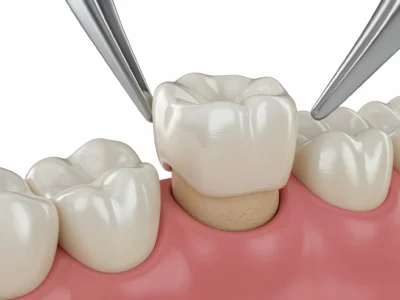
A damaged tooth does not always need to be removed. In many cases, it can be reinforced, sealed, and returned to function with a well-made crown. That matters more than people often realize. Once a tooth cracks, loses a large filling, or weakens after root canal therapy, it does not heal like skin or bone. Enamel cannot grow back. Dentin does not rebuild itself in a useful way. Without support, the tooth tends to break further, leak bacteria, or become painful under pressure.
That is where crowns play Dental Crowns Los Angeles CA simpledentalca.com such an important role. A crown covers and protects the visible part of the tooth, restoring shape, strength, and bite function. In busy cities like Los Angeles, where people want dentistry that is durable, natural-looking, and efficient, crowns are one of the most dependable tools for saving teeth that still have a healthy root and enough remaining structure to support restoration.
Patients often come in thinking a damaged tooth leaves only two choices, live with discomfort or pull it. The reality is more nuanced. A properly planned crown can buy many years of service from a tooth that might otherwise continue to crack or fail. The key is understanding when a crown is the right answer, what kind of crown fits the situation, and what to expect from the process.
What a dental crown actually does
A crown is often described as a cap, but that shorthand misses the real purpose. It is not just a cover. It is a custom restoration designed to take on chewing forces, protect weakened tooth structure, and recreate the tooth’s original form. When it fits correctly, a crown distributes pressure more evenly, helps keep fractures from spreading, and seals vulnerable areas from bacteria and temperature changes.
Think of a molar with a large old silver filling. Over time, the filling may expand and contract with temperature, the edges may wear, and the surrounding tooth walls may become thin. The patient may start noticing a sharp zing on biting or an occasional pain when chewing almonds or crusty bread. In many of these cases, the issue is not a cavity in the usual sense. It is structural fatigue. A filling can patch decay, but it does not brace the whole tooth. A crown can.
That distinction is important because restorative dentistry is not only about treating disease. It is also about preventing mechanical failure. Many teeth are lost not because the roots were unsalvageable, but because the crown portion above the gumline broke down until repair was no longer predictable.
When a dentist recommends a crown instead of a filling
Not every damaged tooth needs full coverage. Conservative treatment is usually preferred when possible. If a small cavity can be repaired with a bonded filling, that is often the better choice. But there comes a point where a filling no longer provides enough support. In practice, that line is crossed when too much tooth structure has been lost, when a crack is present, or when the tooth has already undergone treatment that leaves it brittle.
Dentists commonly recommend crowns in situations like these:
- A tooth has a large filling and the remaining walls are thin or undermined.
- A cracked tooth causes pain on biting, especially if the fracture has not extended below the gumline.
- A tooth has had root canal treatment and needs reinforcement against fracture.
- Severe wear from grinding has shortened or weakened the tooth.
- A broken cusp or major chip affects function and cannot be predictably repaired with bonding alone.
There is judgment involved here. Two teeth can look similar on an X-ray and still need different treatment based on bite forces, the patient’s grinding habits, where the tooth sits in the arch, and how much healthy enamel remains. A front tooth with a small edge fracture may do beautifully with bonding. A lower molar that takes heavy chewing loads usually needs something stronger if a large portion is missing.
Why saving the natural tooth matters
People sometimes ask whether it is easier to remove a compromised tooth and place an implant. Implants are excellent when a tooth cannot be saved, but keeping the natural tooth is usually worth serious consideration. Natural teeth have periodontal ligament support, subtle shock absorption, and proprioception, the body’s ability to sense pressure and position when you bite. That sensory feedback helps with efficient chewing and bite control.
There is also the matter of treatment scope. Extracting a tooth may lead to bone loss over time, shifting of nearby teeth, added cost, and more appointments. A crown, by contrast, can often solve the problem while preserving the existing root and supporting bone. In straightforward cases, that is a meaningful advantage.
This is especially relevant in a city like Los Angeles, where patients may have demanding schedules and want treatment that balances longevity with practicality. The phrase Dental Crowns Los Angeles CA often shows up in online searches because people are looking for that middle ground, something more durable than a filling, but less invasive than losing the tooth altogether.
The types of damage crowns can address
Crowns are versatile, but they are not a cure-all. They work best when the tooth can still be predictably retained. A crown can help with moderate to severe structural damage above the gumline, stabilize certain crack patterns, and restore function when much of the original contour has been lost. It can also improve appearance when a tooth is badly discolored or misshapen, though cosmetic goals should never override structural realities.
A common example is the back tooth that has fractured one cusp, the pointed section of chewing surface. Patients often say it happened while eating something fairly ordinary, not necessarily hard candy or ice. That is typical. Teeth usually do not break because of one dramatic event. They fail after years of repeated stress, old dental work, and tiny crack propagation. Once a cusp breaks, the tooth may still be saveable with a crown if the fracture stays above the gumline and the root is sound.
Another frequent scenario is the root canal tooth. After root canal treatment, the nerve is gone, but the tooth still has to withstand normal forces. Because these teeth often started with deep decay, large fillings, or previous trauma, they may have less internal support. A crown helps protect what remains. Without it, many posterior teeth become more vulnerable to fracture.
Materials matter, and the best choice depends on the tooth
Patients often ask for the “strongest” crown, but strength is not the only criterion. A crown also has to fit precisely, work with the bite, and look appropriate for its location. Material selection depends on where the tooth is, how much force it takes, how much room exists between upper and lower teeth, and whether aesthetics are a major concern.
Porcelain and ceramic crowns are popular because they mimic natural tooth color and translucency well. These are often preferred for front teeth and visible premolars. Modern ceramics can also perform very well on back teeth, particularly when the bite is favorable and the preparation is designed properly.
Zirconia crowns are known for durability and are often chosen for molars or for patients who clench and grind. They can be highly aesthetic too, though the exact appearance depends on the specific zirconia used and how it is finished.
Porcelain fused to metal crowns still have a place in some situations. They combine a metal substructure with tooth-colored porcelain. They have been used successfully for decades, although some patients prefer metal-free options, especially in visible areas.
Gold and other noble metal crowns remain among the most forgiving restorations in terms of fit and wear characteristics. They are not common for cosmetic reasons, but in the back of the mouth they can last a very long time. Dentists who have been practicing for years can point to gold crowns that have served patients for decades with minimal trouble.
No single material wins every case. A patient with a deep bite, heavy grinding, and limited space may need a different solution than someone restoring a front tooth after trauma. Good dentistry is rarely about picking the trendiest option. It is about matching the restoration to the clinical reality.
The crown process, from diagnosis to final cementation
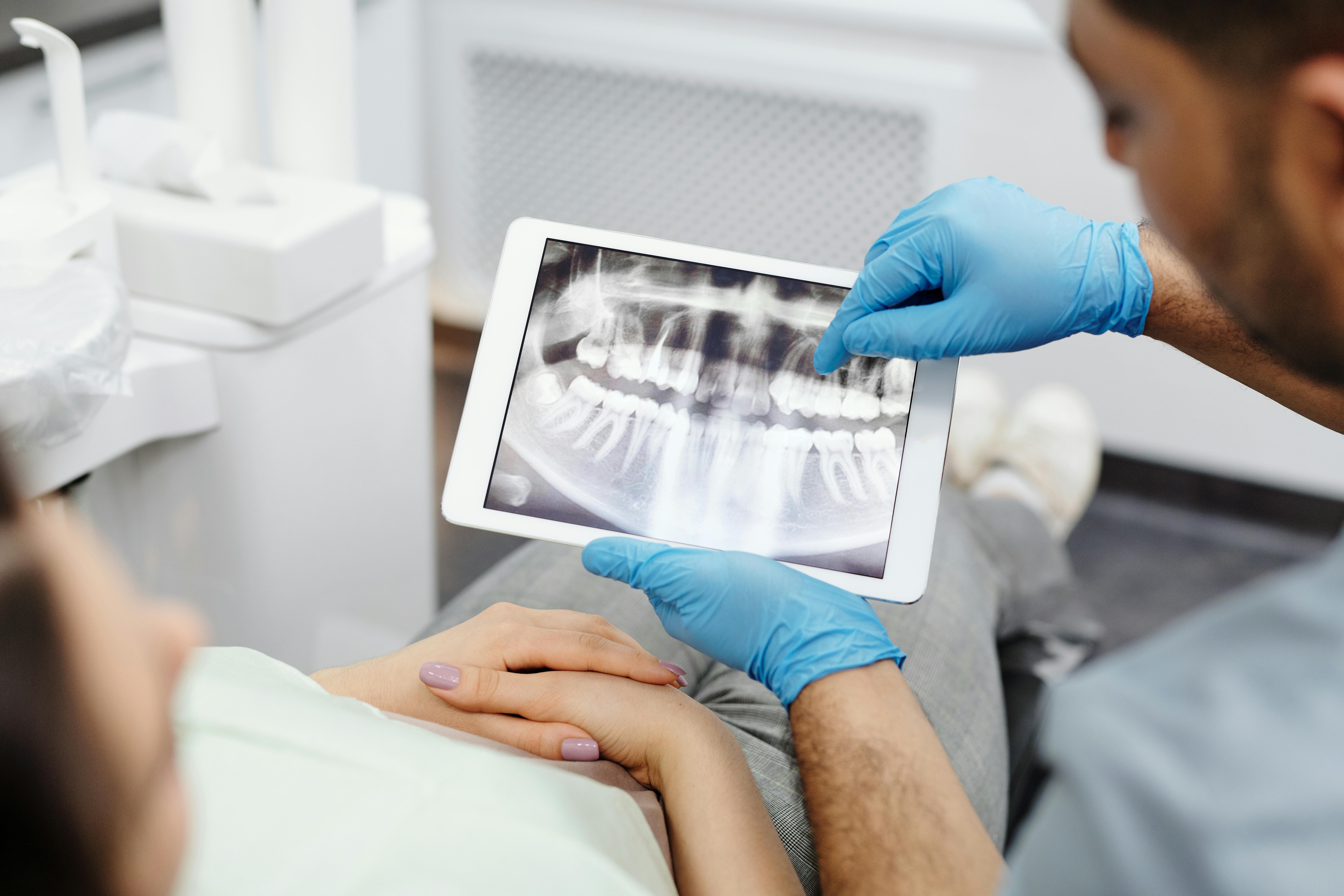
The process usually starts with a careful exam, X-rays when needed, and a discussion about symptoms. If the tooth hurts when you bite, reacts to cold, or shows visible fracture lines, the dentist is trying to determine whether the nerve is still healthy and whether the damage extends into an area that changes the prognosis. Sometimes a tooth clearly needs a crown. Sometimes a crown is recommended only after removing an old filling and seeing the extent of hidden cracks or decay.
Once treatment moves forward, the tooth is shaped so the crown can fit over it properly. That preparation has to remove enough material for the crown to have strength, but not so much that unnecessary tooth structure is lost. Balance matters. Over-preparing weakens the tooth. Under-preparing can create a bulky or fragile crown.
An impression or digital scan is then taken to capture the exact shape of the preparation and the surrounding bite. Temporary crowns are often placed while the final crown is fabricated. Good temporaries are underrated. They protect the tooth, maintain spacing, and let the patient function normally between visits.
At the final appointment, the crown is checked for fit, contact with neighboring teeth, bite balance, and appearance. Tiny adjustments can make the difference between a restoration that feels natural and one that nags the patient every time they chew. Cementation comes only after those details are verified.
Same-day crown technology is available in some practices, and when used well it can be very convenient. Still, same-day does not automatically mean better. For some cases, a lab-fabricated crown remains the best option because of complexity, esthetic demands, or the need for layered characterization. Speed is useful, but precision is what protects the tooth.
What crowns can and cannot fix
A crown can restore a lot, but it cannot rescue every tooth. If decay extends too far below the gumline, if the root is fractured vertically, or if there is not enough sound tooth structure left to hold the crown, other treatment may be more realistic. Sometimes crown lengthening or a build-up with a post is considered, but each adds cost, time, and biological trade-offs.
This is where experienced judgment becomes critical. Saving a tooth is admirable only if the result is stable and maintainable. A heroic restoration on a hopeless tooth can become an expensive delay before extraction. On the other hand, removing a tooth too quickly can sacrifice something that had many good years left. The best dentists are measured, not rushed in either direction.
Patients often appreciate honesty here. If the prognosis is fair rather than excellent, it helps to say so plainly. A crown on a heavily restored tooth may last ten years, or it may fail sooner if a hidden crack progresses. That does not mean treatment should not be done. It means expectations should be grounded in reality.
Cost, value, and why cheap dentistry often becomes expensive
Crowns are an investment, and in Los Angeles costs vary widely depending on material, technology, practice overhead, and case complexity. It is tempting to shop by price alone, especially when online ads promise dramatic discounts. But crown dentistry is less like buying a commodity and more like paying for fit, planning, and execution.
A bargain crown that traps food, feels high in the bite, or leaks around the margins can create a cascade of problems. Gum inflammation, recurrent decay, cracked porcelain, persistent tenderness, and eventual replacement all cost money and time. By contrast, a well-made crown with a precise margin and a balanced bite may serve quietly for many years.
Patients searching for Dental Crowns Los Angeles CA should look beyond the headline price. Ask what material is being used, whether a buildup is included if needed, how the bite will be evaluated, and what happens if the temporary comes off or the new crown needs adjustments. A lower quote is not always lower cost over the life of the tooth.
What it feels like after the crown is placed
Most patients adapt quickly. Mild soreness around the gumline is common for a day or two, especially if the tissue was retracted during scanning or impressions. Some teeth feel slightly different at first simply because the contours have changed from the worn or broken shape the patient had gotten used to.
What should not be ignored is a bite that feels obviously off, a sharp pain on release when chewing, or sensitivity that worsens instead of improving. These are not signs to “wait a few months and see.” Sometimes the fix is minor, a small adjustment to the biting surface. Sometimes the issue is deeper and needs reevaluation. Prompt follow-up often prevents larger problems.
A well-fitting crown should not feel like a separate object in the mouth for long. It should become part of normal function, allowing the patient to chew on that side without hesitation. That return of confidence, the ability to eat normally without protecting one side of the mouth, is one of the clearest signs the treatment has done its job.
How long crowns last in real life
There is no honest universal number. Crowns can last well over a decade, and many do, but lifespan depends on factors that have little to do with the crown alone. Grinding, acidic diet, oral hygiene, gum health, decay risk, and whether the patient returns for routine care all matter. The same crown material may perform very differently in two people with different habits.
One of the more avoidable causes of crown failure is decay at the margin. The crown itself does not decay, but the tooth underneath can. Plaque that sits along the gumline, especially around the edges of restorations, can create recurrent decay that undermines the crown. Another common issue is fracture from night grinding. A strong material helps, but no crown is indestructible when exposed to years of clenching.
For patients who grind or wake with jaw tension, a night guard can extend the life of both natural teeth and restorations. It is not glamorous, but it works. Dentists see the difference regularly between patients who protect their crowns and those who use their teeth as tools for stress.
Caring for a crowned tooth
Maintenance is not complicated, but it does require consistency. The crown needs the same daily cleaning as any natural tooth, with extra attention where the restoration meets the gumline. Flossing should not be skipped out of fear of “pulling the crown off.” If a crown comes off during normal flossing, the problem is usually retention, not flossing.
A few habits make a practical difference:
- Brush gently but thoroughly along the gumline twice a day.
- Floss every day, sliding the floss against the side of the tooth rather than snapping it into the gums.
- Avoid chewing ice, pens, and other hard non-food objects.
- Wear a night guard if you clench or grind.
- Return for routine exams so small margin problems can be caught early.
These basics sound simple because they are. Their value comes from repetition over years, not from complexity.
Los Angeles patients often have a distinct set of concerns
In Los Angeles, conversations about crowns often include appearance, speed, and long-term value in equal measure. People do not just want the tooth saved. They want it to look right on camera, feel natural in meetings, and fit into demanding work schedules. That is reasonable. Modern crown dentistry can often meet those expectations, provided treatment is planned carefully.
There is also a broad range of patient histories here. Some people arrive after years of meticulous care, needing a crown because of one cracked old filling. Others have delayed treatment because of cost, fear, or lack of Dental Crowns Los Angeles CA time, and now face multiple compromised teeth. The treatment planning in those two situations looks very different. One may involve a single conservative crown. The other may require prioritizing the most urgent teeth first, staging treatment in a financially realistic order.
That staged approach is often the most practical path. Not every problem has to be solved in one month. If a patient has several damaged teeth, the dentist may start with the one at highest risk of fracture or infection, stabilize the bite, and schedule the rest over time. Good care is not only about ideal dentistry on paper. It is about realistic sequencing that protects the patient’s health and resources.
The crown is only part of the outcome
It is easy to focus on the restoration itself, ceramic versus zirconia, same-day versus lab-made, visible versus hidden. Yet the broader result depends on diagnosis, bite analysis, periodontal health, and communication. A beautiful crown on a tooth with unresolved crack symptoms may disappoint. A strong crown placed into a chaotic bite may chip or loosen. A technically good crown on a patient who never received clear aftercare instructions may fail for preventable reasons.
The best outcomes usually come from a dentist who explains not only what they are doing, but why. Patients make better decisions when they understand the trade-offs. A crown can save a damaged tooth, but it works best when the underlying biology and mechanics are respected.
That is the real value of crowns. They are not just cosmetic covers. They are structural restorations that preserve function, reduce risk, and often spare patients from extraction. For the right tooth, at the right time, done with sound judgment, a crown can be the difference between a tooth that fails and one that keeps serving reliably for years. In that sense, Dental Crowns Los Angeles CA are not merely common dental work. They are one of the clearest examples of modern dentistry doing what it does best, preserving what can still be saved.
Simple Dental Vermont
Address: 8914 S Vermont Ave, Los Angeles, CA 90044
Phone number: +13239493000
FAQ About Dental Crowns Los Angeles CA
How much do crowns cost per tooth?
In the United States, a single dental crown typically costs between $800 and $2,500 per tooth without insurance. The ultimate out-of-pocket price depends heavily on the crown material, the location of the tooth, and whether you have dental insurance coverage.
What is the downside of crowns on teeth?
The primary downside of a dental crown is that the procedure permanently removes natural tooth enamel to shape the tooth for the cap.
Why do dentists push for crowns?
Dentists recommend crowns because a large filling cannot provide enough strength when a tooth loses a major portion of its structure or faces heavy chewing pressure.