Emergency Dentist Los Angeles CA for Emergency Root Canal Symptoms
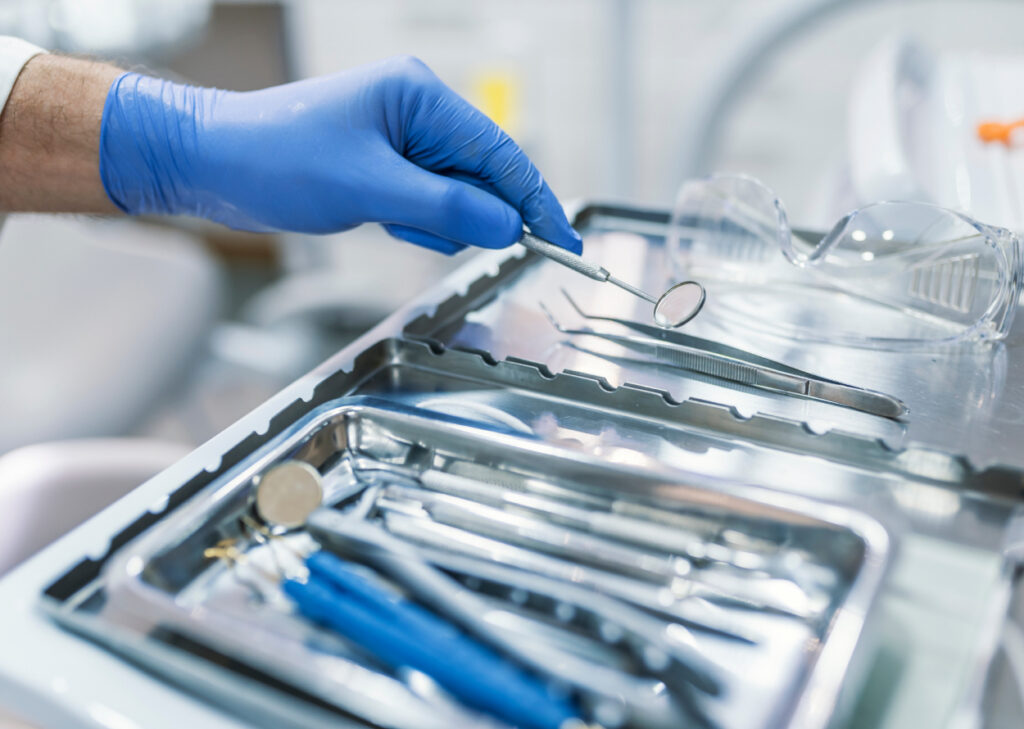

A tooth that suddenly throbs, keeps you awake, and Emergency Dentist Los Angeles CA sends pain into your jaw or ear can turn an ordinary day into a very long one. When that pain comes from an infected or severely inflamed tooth pulp, the need for treatment is not theoretical. It is immediate, practical, and often urgent. For many patients searching for an Emergency Dentist Los Angeles CA, the real question is not whether they need help. It is how to tell whether their symptoms point to a root canal emergency, what to do before they are seen, and how quickly treatment should happen.
In practice, emergency root canal cases are some of the most uncomfortable dental problems people face. They can start quietly, perhaps with temperature sensitivity that lingers too long, then escalate into pressure, swelling, or a deep pulsing ache that does not respond well to over the counter medication. Other times, the pain arrives all at once after a cracked filling, a sports injury, or a long ignored cavity finally reaching the nerve.
Los Angeles patients often try to work through tooth pain longer than they should. It is understandable. Schedules are packed, traffic is relentless, and people tend to hope the problem will settle down on its own. Dental nerve pain rarely rewards that strategy. Once infection takes hold inside the tooth, delaying care can mean stronger pain, a greater chance of swelling, and a more complicated appointment later.
What root canal symptoms actually feel like
A root canal treats the inside of a tooth, specifically the pulp chamber and root canals where the nerve and blood supply sit. When that tissue becomes inflamed or infected, the body has limited ways to relieve the pressure. The result is a category of pain that patients describe in remarkably similar terms, even if they do not know the cause yet.
The classic symptom is lingering pain after hot or cold exposure. A healthy tooth may react briefly to ice water, then settle within a second or two. A tooth needing root canal treatment often keeps hurting long after the drink is gone. Heat sensitivity can be even more telling. Some patients say hot coffee triggers a sharp, radiating ache, while cold water gives brief relief, at least for a while. That pattern frequently points to pulp inflammation that is progressing.
Then there is biting pain. Not every toothache is constant. Some infected teeth hurt mainly when you chew, tap the tooth, or clench your teeth at night. This can indicate inflammation near the root tip, where infection has started affecting the surrounding bone and ligament. Patients often say, “It feels too high,” even when the tooth has not moved much at all. The pressure sensation can be surprisingly intense.
Swelling changes the urgency. If the gum near a painful tooth becomes puffy, if the face starts to swell, or if a small pimple-like bump appears on the gum, infection may be draining or spreading. A gum bump, often called a fistula or parulis in casual clinical conversation, can temporarily reduce pain because pressure is escaping. That does not mean the problem is resolving. It means the infection has found a path.
Some of the most serious emergency root canal cases are oddly quiet at first. A tooth can become nonresponsive after trauma, then darken over time. The nerve may have died without much dramatic pain. Months later, an abscess appears. That is why a history of being hit in the mouth, even years earlier, matters more than many patients realize.
When it becomes an emergency
Not every tooth that eventually needs a root canal requires same day treatment. A dull ache that comes and goes for a month deserves prompt scheduling, but it may not be a midnight crisis. Certain symptoms raise the stakes and shift the problem into true emergency territory.
If the pain is severe enough to interrupt sleep, concentration, or eating, the tooth needs urgent evaluation. If swelling is spreading into the cheek, jawline, or under the eye, that is more concerning. If opening your mouth becomes difficult, if swallowing is painful, or if you develop fever along with a dental infection, the situation needs immediate attention because oral infections can move into deeper spaces.
A good Emergency Dentist will not guess from one symptom alone. The dentist combines your pain history, an exam, temperature testing, percussion testing, and x rays to determine whether the pulp is inflamed beyond recovery, infected, or already necrotic. The distinction matters because treatment timing and comfort planning depend on it.
One point patients rarely hear clearly enough is this: antibiotics do not fix a root canal problem by themselves. They may help manage spreading infection in some cases, especially when swelling is present, but they do not remove infected tissue from inside the tooth. If the source stays in place, the pain often returns as soon as the medication course ends.
Why people confuse a root canal emergency with other dental problems
Pain in the mouth is not always easy to localize. A lower molar can make the ear ache. An upper tooth infection can feel like sinus pressure. Clenching and grinding can mimic root pain. A fractured tooth can produce short, electric sensations that overlap with nerve inflammation. Even severe gum disease can cause tenderness that people interpret as “the nerve.”
That is why emergency exams matter. I have seen patients arrive convinced a front tooth was the problem, only to find the real source was a cracked upper premolar. I have also seen the reverse, where a person expected to need a root canal but instead had a bite imbalance from a new crown and no infection at all. The mouth is crowded territory. Pain does not always respect neat boundaries.
In Los Angeles, another common confounder is delayed treatment after cosmetic or restorative work done years earlier. A tooth with a large old filling, crown, or history of repeated procedures has a higher chance of pulpal irritation over time. It is not that the earlier treatment was wrong. Sometimes the tooth simply reaches its limit.
Signs that should push you to call right away
The following symptoms are worth treating as urgent, especially if they appear together:
- severe throbbing tooth pain that lasts for hours or wakes you at night
- swelling in the gums, cheek, or jaw near the tooth
- pain when biting, chewing, or lightly touching the tooth
- heat or cold sensitivity that lingers well after the trigger is gone
- a bad taste, drainage, or a small bump on the gum near the painful tooth
Any one of these can matter. Two or three at once usually justify contacting an Emergency Dentist Los Angeles CA the same day.
What happens during an emergency dental visit for root canal symptoms
Patients often imagine they will either get a full root canal immediately or be sent home with pain medicine and little else. The reality is more nuanced. A strong emergency visit is diagnostic first, then therapeutic. The goal is to identify the source and reduce pain as safely and efficiently as possible.
The appointment usually starts with targeted questions. When did the pain begin. What triggers it. Does it wake you up. Does cold help or worsen it. Is the tooth tender to bite on. Any swelling, recent dental work, trauma, or cracked foods like popcorn kernels or ice. These details are not small talk. They narrow the diagnosis fast.
Next comes examination. The dentist checks the gums, taps on teeth, tests temperature response, evaluates mobility, and takes imaging. In many cases, a regular dental x ray is enough to show a deep cavity, a large failing restoration, or a dark area around the root tip suggesting infection. Sometimes the x ray looks surprisingly normal early on, which is why the symptom pattern still matters.
If the diagnosis supports irreversible pulpitis or necrotic pulp with infection, treatment may begin that day. Sometimes the tooth can be opened, cleaned, and medicated to relieve pressure. In other situations, the full root canal can be completed in one visit. Molars with complex anatomy, limited opening, heavy infection, or difficult canal access may be staged or referred to an endodontist, depending on the office setup and the case complexity.
Pain relief after the source is addressed is often dramatic. Many patients come in convinced nothing short of extraction will help, then feel substantial relief within hours after emergency endodontic treatment begins. The difference between medicating pain and removing the cause is enormous.
The practical difference between urgent care and definitive care
One of the most important distinctions in emergency dentistry is between stabilizing the tooth and fully restoring it. A root canal solves the internal infection problem, but the tooth may still need a permanent restoration, often a crown, especially if it is a back tooth with substantial structural loss.
This is where some people get tripped up. They feel better after the emergency visit and assume they are done. Weeks later, they postpone the buildup or crown, the temporary material leaks or breaks, and the tooth becomes vulnerable again. In a city where people juggle work shoots, travel, family logistics, and traffic, that delay is common. It is also avoidable.
A tooth that has had root canal therapy is often more brittle than before, not because the procedure itself “kills” it, but because the tooth typically started with deep decay, fracture lines, or a large filling already weakening the structure. Stabilizing the inside is step one. Protecting the outside is step two.
What you can do before you get to the office
A few simple measures can make the trip to the dentist more manageable, though none replace treatment.
- take an over the counter pain reliever as directed on the label, unless your physician has told you to avoid it
- avoid chewing on the painful side, especially hard or sticky foods
- rinse gently with warm salt water if the gums feel irritated
- use a cold compress on the cheek for swelling, in short intervals
- call ahead and describe swelling, fever, trauma, or trouble swallowing clearly
Do not place aspirin directly on the gum. It does not treat the source and can chemically burn soft tissue. Do not assume that pain disappearing means the infection is gone. Sometimes the nerve has simply died, which can be a worse sign, not a better one.
Why Los Angeles patients need a little extra planning
Finding an Emergency Dentist Los Angeles CA has its own logistical layer. Timing matters more in a city where a thirty minute drive can become ninety. If you are dealing with root canal symptoms, it helps to think beyond “Who is open?” and ask “Who can diagnose and treat this efficiently?”
An office handling true emergencies well usually has same day evaluation capacity, clear triage protocols, digital imaging, and a plan for either performing emergency endodontic care or arranging specialist support quickly. That does not mean every office must complete every molar root canal in house. It means they should know how to control pain, manage infection risk, and direct the next step without wasting a day.
I often advise patients to bring or send any recent x rays if they have them, especially if they are transferring from another office or calling from work downtown, the Valley, the Westside, or the South Bay. It can shave time off a difficult visit. Even when new images are still needed, prior records sometimes reveal the tooth’s history, such as a large old filling, recurrent decay, or prior trauma.
Parking, sedation availability, and timing around food also matter more than people expect. If you suspect you may need a more involved procedure and tend to be anxious, mention that at scheduling. Some offices can plan comfort measures better if they know in advance.
Root canal versus extraction in an emergency setting
When pain is intense, people often ask for the fastest way out. Sometimes that means root canal treatment. Sometimes it means extraction. The right choice depends on the tooth’s restorability, periodontal support, fracture pattern, and your long term plan.
If the tooth has enough healthy structure left and the crack does not extend vertically down the root, saving it is often preferable. Keeping a natural tooth generally preserves chewing function and avoids the cost and complexity of replacing it later. On the other hand, if the tooth is split, too decayed below the gumline, or poorly supported by bone, extraction may be the more honest recommendation.
Emergency decisions should be realistic, not aspirational. A tooth that can be saved only through highly complex treatment with a guarded prognosis may not be the best candidate for heroic care, especially if the patient cannot complete the necessary follow up. Good emergency dentistry balances biology, comfort, cost, and practicality.
What root canal pain after treatment can mean
Patients are often relieved to hear that some post treatment soreness is normal. A tooth that had deep infection or significant inflammation at the root tip can remain tender to bite for several days, sometimes longer. The surrounding ligament has been irritated, and it needs time to settle.
That said, there is a difference between expected soreness and a problem. If pain is getting worse instead of better, if swelling returns, if your bite feels very high on that tooth, or if medication barely touches the discomfort after a few days, the tooth should be rechecked. Sometimes the bite needs a simple adjustment. Sometimes additional cleaning, drainage, or restoration work is needed.
Most people do not fear the root canal itself as much as they fear another sleepless night. Modern local anesthesia, careful technique, and staged treatment when needed have changed the experience dramatically compared with what many patients remember from decades ago. The tooth may be tender afterward, but the sharp, relentless nerve pain is usually the part that improves fastest.
Cost questions, insurance, and the danger of delay
Emergency dental costs vary widely based on the exam, x rays, whether drainage is needed, whether a pulpotomy or full root canal is started, and whether the tooth is a front tooth or a molar. Molars tend to be more complex and therefore more expensive. Insurance may help, but benefits differ substantially, and annual maximums can be exhausted quickly in larger cases.
The mistake I see most often is not asking about fees. It is delaying until the treatment becomes more extensive. A cavity that might have needed a straightforward filling becomes a root canal. A tooth that might have been saved with prompt endodontic care fractures beyond repair. An abscess that could have been managed early turns into facial swelling on a weekend.
If cost is a concern, say so directly. Many offices can explain staged options, financing, or what must happen now versus what can safely wait a short time. The key is honesty on both sides.
Children, older adults, and special situations
Emergency root canal symptoms do not look identical across age groups. Children may struggle to localize pain and may present with irritability, swelling, or refusal to eat on one side. Their treatment path depends on whether the tooth is primary or permanent and how developed the roots are.
Older adults often have more complex histories, including crowns, bridges, recession, dry mouth from medications, and preexisting bone loss. Their pain may be less dramatic even when infection is significant. A fractured root under an old crown can be subtle until swelling appears.
Pregnancy, diabetes, immune suppression, anticoagulant use, and heart conditions can all affect emergency planning. None automatically prevent dental treatment, but they do change the details. The safest emergency providers ask about medical history early and coordinate when needed.
Preventing the next emergency
Most root canal emergencies do not come out of nowhere. There is usually a trail, maybe occasional sensitivity, a lost filling that stayed untreated, grinding wear, or a cavity that was easy to postpone because it did not hurt yet. Pain is a late signal in dentistry. Waiting for it often means the disease has already reached the nerve.
Regular exams, prompt treatment of decay, protection for grinding, and follow through on recommended crowns after large fillings all reduce the odds of ending up in urgent care with a swollen face or an impossible night of pain. Prevention is less dramatic than emergency treatment, but it is almost always cheaper, simpler, and easier on the body.
For anyone searching for an Emergency Dentist because a tooth has become unbearable, the most useful next step is not to self diagnose endlessly online. It is to get the tooth examined while the problem is still manageable. Root canal symptoms have a way of escalating at the worst possible time. Fast, informed care makes a real difference, not just for comfort, but for whether the tooth can still be saved.
Simple Dental Vermont
Address: 8914 S Vermont Ave, Los Angeles, CA 90044
Phone number: +13239493000
FAQ About Emergency Dentist Los Angeles CA
What can the ER do for a tooth?
The emergency room can provide temporary symptom relief for a bad tooth, such as prescribing pain medicine or antibiotics, but it cannot fix the actual dental problem.
What is the 3-3-3 rule for tooth infection?
The 3-3-3 rule for a toothache or infection typically means taking three 200 mg ibuprofen tablets (600 mg total) three times a day for no more than three days to control pain and swelling while waiting to see a dentist.
What do you do if you have a dental emergency but no dentist?
If you have a dental emergency and no regular dentist, you should search for an urgent care dental clinic, call local walk-in dental offices, or go to a hospital emergency room if you have severe bleeding, swelling, or trouble breathing.