Dental Crowns Los Angeles CA for a Healthier, Brighter Smile
A well-made dental crown does more than cover a tooth. It restores strength, protects what remains of the natural structure, and often changes the way a person smiles, eats, and speaks. In a city like Los Angeles, where appearance matters but long-term health matters more, crowns sit at the intersection of function and aesthetics. Patients usually arrive thinking about one problem, a cracked molar, a tooth with a large old filling, a front tooth that has darkened after trauma. What they often discover is that the right crown can solve several problems at once.
When people search for Dental Crowns Los Angeles CA, they are usually not browsing casually. They are dealing with discomfort, damage, or the stress of knowing a tooth is on borrowed time. Some have been told they need a crown after a root canal. Others chipped a tooth on popcorn or ice and hoped it would settle down on its own. Many simply want to avoid losing a tooth and would prefer a conservative, reliable fix. Crowns are not the answer for every situation, but in the right case, they remain one of the most dependable tools in restorative dentistry.
What a crown actually does
A crown is a custom-made covering that fits over a damaged or heavily restored tooth. Think of it as a protective shell with a precise purpose. It reinforces a weakened tooth, restores its shape, and allows the bite to function in a balanced way. The goal is not just to make the tooth look whole again. The goal is to let it handle normal daily forces without pain, fracture, or further breakdown.
That distinction matters. A tooth can look acceptable and still be structurally compromised. I have seen molars with large fillings that seemed stable until one side sheared off while the patient was chewing a bagel. I have also seen front teeth with minor-looking cracks that caused temperature sensitivity for months. In these cases, a crown is less about cosmetics and more about preserving what is left before the damage spreads.
Crowns are commonly recommended after Dental Crowns Los Angeles CA root canal treatment because those teeth can become more brittle over time, especially back teeth that absorb heavy chewing forces. They are also used when a cavity is too large for a regular filling, when a fracture line weakens the tooth, or when significant wear has changed the tooth’s shape and function.
Why crowns are so common in Los Angeles practices
Los Angeles presents an interesting mix of dental priorities. Patients often want restorations that are durable, but they also expect them to look natural under bright light, on camera, and in close conversation. That means a crown in this market is rarely judged by strength alone. Shade matching, contour, translucency, and gumline harmony all matter.
There is also a practical side to care in a large city. Many patients have demanding schedules, frequent travel, and little tolerance for repeat visits caused by temporary fixes failing at the wrong time. A well-planned crown can offer stability that patchwork dentistry cannot. Replacing a fractured cusp with another filling may be less expensive in the short term, but when that repair fails and the crack extends below the gumline, the final cost can be much higher, both financially and biologically.
Another factor is wear. It is common to see Los Angeles patients with grinding or clenching habits, sometimes stress-related, sometimes connected to sleep issues. Crowns can help restore damaged teeth, but they must be designed with that habit in mind. If a person grinds heavily, the material choice and bite adjustment become more important than the shade tab.
When a crown is the right choice, and when it is not
Good dentistry depends on judgment. A crown is not automatically the best treatment just because a tooth is damaged. If enough healthy structure remains, a bonded filling or inlay may preserve more of the natural tooth. If a crack runs too deep, a crown may not save it. If gum disease or severe decay compromises the foundation, the conversation may shift toward extraction and replacement options.
The sweet spot for a crown is a tooth that is restorable but no longer predictably strong with a filling alone. That often includes teeth with extensive decay, old silver fillings taking up most of the biting surface, broken Dental Crowns Los Angeles CA cusps, and teeth that have undergone root canal therapy. Front teeth can also benefit when there is significant fracture, discoloration, or prior dental work that no longer blends well.
Patients sometimes ask whether a crown means their tooth is in terrible condition. Not necessarily. It may simply mean the tooth has reached the limit of what simpler restorations can safely handle. In that sense, a crown is often a preventive step, taken to avoid a more serious fracture later.
The materials matter more than most people realize
Not all crowns are the same. Material selection shapes how the crown looks, how it handles force, how much tooth reduction is needed, and how long it may last in a given mouth. The best choice depends on the specific tooth, the patient’s bite, cosmetic goals, and habits such as clenching.
Porcelain or ceramic crowns are popular because they can look very natural. They are often used on front teeth and visible premolars where esthetics are a priority. Modern ceramics have improved considerably and can perform well in many areas of the mouth when the case is selected properly.
Zirconia crowns have become common because they are strong and increasingly esthetic compared with earlier versions. They can be an excellent option for back teeth or for patients who place high biting forces on their restorations. That said, strength alone is not a license to ignore design. A bulky or poorly contoured crown can irritate the gums or affect the bite, regardless of how strong the material is.
Porcelain fused to metal crowns still have a place in some situations. They have a long clinical track record, though they may not match the translucency of all-ceramic options. In highly visible areas, some patients dislike the possibility of a dark line appearing near the gum over time, especially if the gums recede.
Gold and other metal crowns remain among the most durable choices for certain back teeth. They are kind to opposing enamel and can be made with very precise margins. Their main drawback is appearance, which is enough for many patients to rule them out immediately. From a purely functional standpoint, though, they remain excellent restorations in the right setting.
The process, from first visit to final fit
Receiving a crown is usually straightforward, but details make a difference. The first appointment generally involves examining the tooth, taking images if needed, and deciding whether the tooth is healthy enough to restore. If decay is present, it is removed. If the tooth has a crack or an old filling, the weak material is cleaned out. Then the tooth is shaped so the final crown can fit securely and with enough thickness to resist fracture.
An impression or digital scan captures the prepared tooth and the surrounding bite. A temporary crown is usually placed while the final one is being made. Temporary crowns deserve more respect than they get. They protect the tooth, help maintain spacing, and offer a preview of comfort and shape. If the temporary feels consistently high or traps food, that information can help fine-tune the final result.
At the delivery visit, the dentist checks the fit, contacts between teeth, bite alignment, and appearance before cementing or bonding the crown into place. This is not a step to rush. I have seen crowns that looked beautiful in the hand but felt wrong in the mouth because the bite hit too early or the contact with the adjacent tooth was too open. Small inaccuracies can lead to soreness, food packing, or jaw fatigue.
Same-day crowns are available in some offices and can be a good option for selected cases. They save time, which matters to busy patients, but convenience should not overshadow case selection. Not every tooth or every cosmetic situation is ideal for one-visit fabrication. Sometimes a lab-made crown provides more control over esthetics or complex anatomy.
What makes a crown look natural
Patients often focus on color, but shade is only part of the equation. Natural teeth reflect light in subtle ways. They are not flat white cylinders. A crown that matches the color but ignores translucency, surface texture, line angles, and contour can still stand out. Front teeth are especially unforgiving in this respect.
The best cosmetic crowns respect the neighboring teeth. That means studying not just the target tooth, but the entire smile. A slightly rounded corner, a touch more translucency near the edge, or a more lifelike surface texture can make the difference between a crown that blends and one that announces itself.
Gum health also affects the final appearance. Even the most carefully fabricated crown will look less convincing if the tissue around it is inflamed. This is one reason good impressions or high-quality digital scans matter. The dentist and lab need an accurate picture of the margins and tissue contours, otherwise the crown may fit the tooth but not the mouth.
The bite is where many crowns succeed or fail
Patients tend to judge crowns by comfort and appearance, which makes sense. Dentists, however, also worry about force. The way upper and lower teeth meet can determine whether a crown lasts ten years or fails much sooner. A crown that is even slightly too high may create sensitivity, headaches, or a feeling that the tooth is always “first to hit.” A crown that is under-contoured or poorly aligned may shift force onto a thin wall of remaining tooth and invite fracture.
This is especially important for patients who grind or clench. In Los Angeles, that group is large. High stress, late work hours, caffeine, and sleep disruption can all show up in the bite. Flat wear facets, chipped edges, and tenderness in the jaw muscles are common clues. For those patients, the crown may be only part of the treatment. A night guard can be just as important as the restoration itself.
A good crown should disappear into normal function after a short adjustment period. If a patient is still aware of it every time they bite after a week or two, it deserves a closer look.
Cost, value, and the question patients really mean to ask
When people ask how much a crown costs, they are often asking a broader question: is this worth doing now, or can I wait? The honest answer depends on the tooth. Some teeth can be monitored for a period. Others are one hard meal away from becoming more expensive problems.
Fees in Los Angeles vary based on the office, the material used, whether a specialist is involved, and whether additional treatment is needed first, such as a buildup or root canal. Insurance may cover part of the cost, though benefits often lag behind real-world fees. That gap frustrates patients, understandably.
What helps is to think in terms of value rather than price alone. A properly done crown may preserve a tooth for many years, maintain chewing efficiency, and spare a patient the disruption of a dental emergency. A cheaper patch that fails twice can cost more in the end and remove additional healthy tooth structure each time it is replaced.
Signs you may need a crown sooner rather than later
Some problems announce themselves clearly. Others develop quietly until a routine exam catches them. The following signs often point toward a tooth that needs more than a simple filling:
- Pain when biting down or releasing pressure
- A large old filling with cracks around the edges
- A visible fracture or a piece of tooth breaking away
- Ongoing sensitivity in a tooth with significant structural loss
- A root canal treated tooth that has not yet been protected
None of these signs guarantees that a crown is required, but they are reasons to schedule an evaluation instead of waiting for the next cleaning. Teeth rarely repair themselves. They usually hold steady for a while, then fail at inconvenient moments.
How long crowns last in real life
There is no single lifespan that applies to every crown. Some last well over a decade. Some fail earlier because of decay at the margin, heavy grinding, cement washout, poor oral hygiene, or trauma. The crown itself may remain intact while the tooth underneath develops a new problem.
What influences longevity most is not one magic factor. It is the combination of precise fit, sound material choice, healthy gums, a stable bite, and regular maintenance. A patient who brushes well, cleans between the teeth, and wears a night guard when indicated gives a crown a much better chance of lasting.
That said, crowns are not forever. Dentistry works in years, not in absolutes. A well-made crown is a strong investment, but it still lives in a wet, high-pressure environment that sees thousands of chewing cycles a day. Honest treatment planning includes that reality.
Caring for a crown without overthinking it
Daily care is simple, but it must be consistent. Brush thoroughly along the gumline, clean between the teeth, and keep recall visits on schedule. The crown cannot decay, but the tooth structure at its edge can. That is where recurrent decay often starts, especially if plaque sits undisturbed near the margin.
Patients sometimes avoid flossing around a crown because they fear pulling it off. A properly cemented crown should not come loose from normal flossing. The key is technique and regularity. Skipping cleaning because the tooth is “covered” is one of the fastest ways to shorten the life of the restoration.
For patients with grinding habits, a night guard is not an accessory. It is protective equipment. The difference can be dramatic. I have seen beautifully made crowns chip within a few years in unprotected grinders, while similar restorations in guarded patients hold up far longer.
Questions worth asking before you move forward
A brief, focused conversation can prevent disappointment later. Before committing to treatment, patients should feel comfortable asking a few practical questions:
- Why is a crown recommended instead of a filling or onlay?
- What material do you suggest for this specific tooth, and why?
- Will the crown be made in a lab or in the office the same day?
- How will you evaluate the bite and adjust it if it feels off?
- If I grind my teeth, do you recommend a night guard afterward?
These are not confrontational questions. They are the kind of questions thoughtful patients ask when they want to understand the treatment they are receiving. Clear answers usually reflect clear planning.
Choosing a provider for Dental Crowns Los Angeles CA
In a city with many dental offices, choice can feel overwhelming. Marketing often emphasizes speed, cosmetics, or technology, but the better measure is whether the provider combines all three with sound clinical judgment. A digital scanner is useful. So is an in-office mill. Neither one replaces careful examination, thoughtful tooth preparation, or a bite that is adjusted properly.
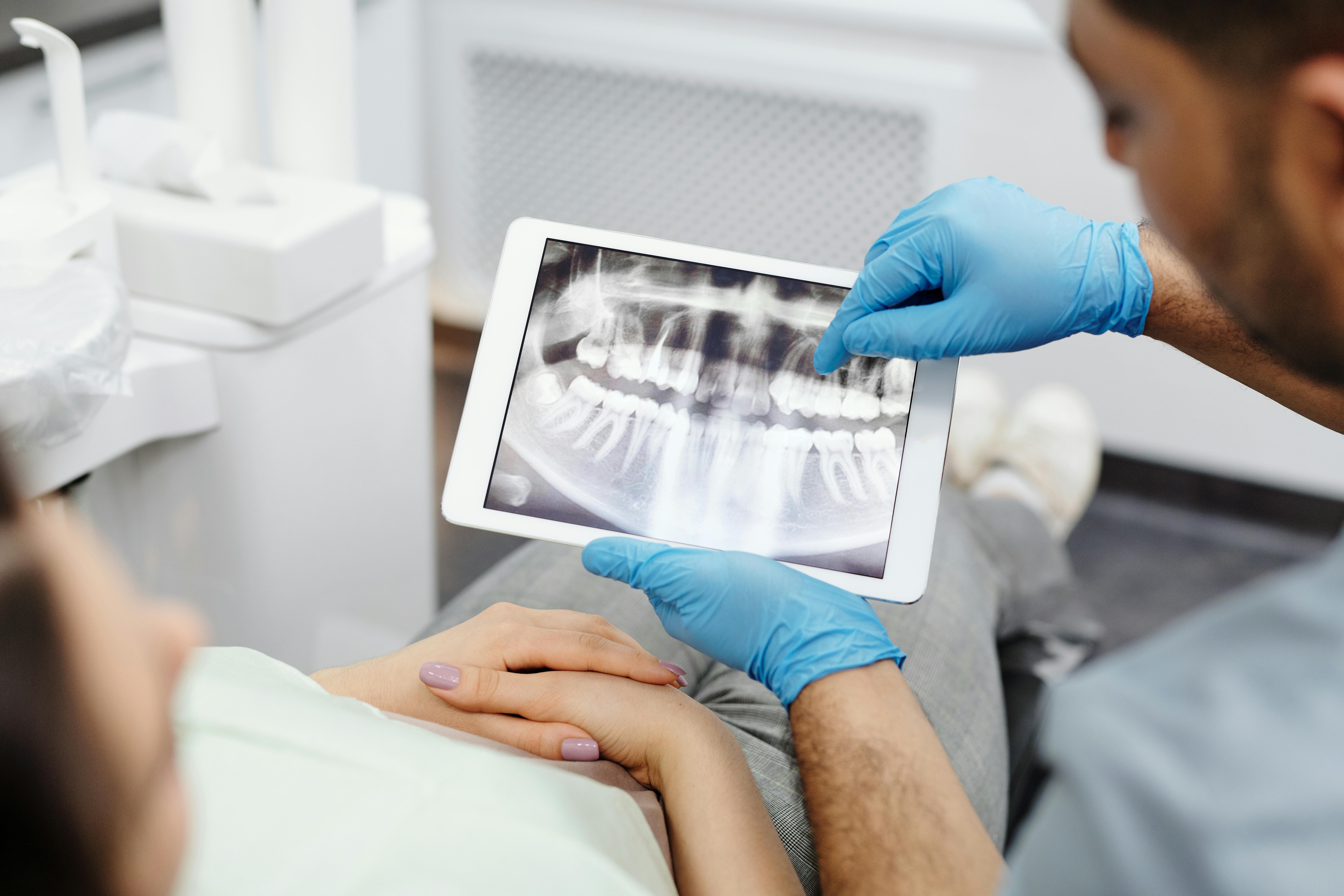
Look for a practice that explains why a crown is needed, not just how soon it can be done. The best consultations are specific. They show the crack on the image, point out the failing filling, explain the risks of waiting, and discuss alternatives honestly. That level of clarity matters more than polished branding.
For highly visible front teeth, ask to see examples of similar work. For back teeth with heavy wear, ask how the office handles clenching cases. If the tooth has had root canal treatment, ask whether enough structure remains and whether a post or buildup is needed. Experience shows itself in these details.
Patients seeking Dental Crowns Los Angeles CA should also pay attention to follow-through. Good offices make room for bite adjustments if needed after delivery. They check tissue response. They revisit the plan if the temporary revealed an issue. Crowns are not just products. They are part of a treatment relationship.
The bigger picture, preserving teeth before replacing them
Implants are excellent in the right case, but saving a natural tooth when it is predictably restorable is usually the more conservative path. A crown often plays a key role in that effort. It buys time, function, and comfort, sometimes for many years. That matters because once a tooth is removed, every replacement option comes with its own maintenance needs, costs, and limitations.
There is a tendency in consumer health conversations to focus on dramatic transformations. In everyday dentistry, the more meaningful success is often quieter. A patient stops avoiding one side when chewing. Cold sensitivity disappears. A front tooth blends back into the smile after years of looking darker than the rest. A cracked molar survives instead of splitting.
That is the real value of a thoughtfully planned crown. It protects what can still be saved and restores confidence where damage once dictated daily choices. For patients considering Dental Crowns Los Angeles CA, the right next step is not guessing from symptoms or delaying out of hope. It is getting a precise diagnosis, understanding the options, and choosing treatment that fits both the tooth and the person attached to it.
Simple Dental Vermont
Address: 8914 S Vermont Ave, Los Angeles, CA 90044
Phone number: +13239493000
FAQ About Dental Crowns Los Angeles CA
How much do crowns cost per tooth?
In the United States, a single dental crown typically costs between $800 and $2,500 per tooth without insurance. The ultimate out-of-pocket price depends heavily on the crown material, the location of the tooth, and whether you have dental insurance coverage.
What is the downside of crowns on teeth?
The primary downside of a dental crown is that the procedure permanently removes natural tooth enamel to shape the tooth for the cap.
Why do dentists push for crowns?
Dentists recommend crowns because a large filling cannot provide enough strength when a tooth loses a major portion of its structure or faces heavy chewing pressure.